
Destinations · The Society Pages
A Dandy's Tel Aviv: Pride in the Middle East
Tel Aviv is the Mediterranean's most openly queer city. 250,000 at Pride. The cultural integration year-round. The political honesty about the context.
Hello, Darlings.
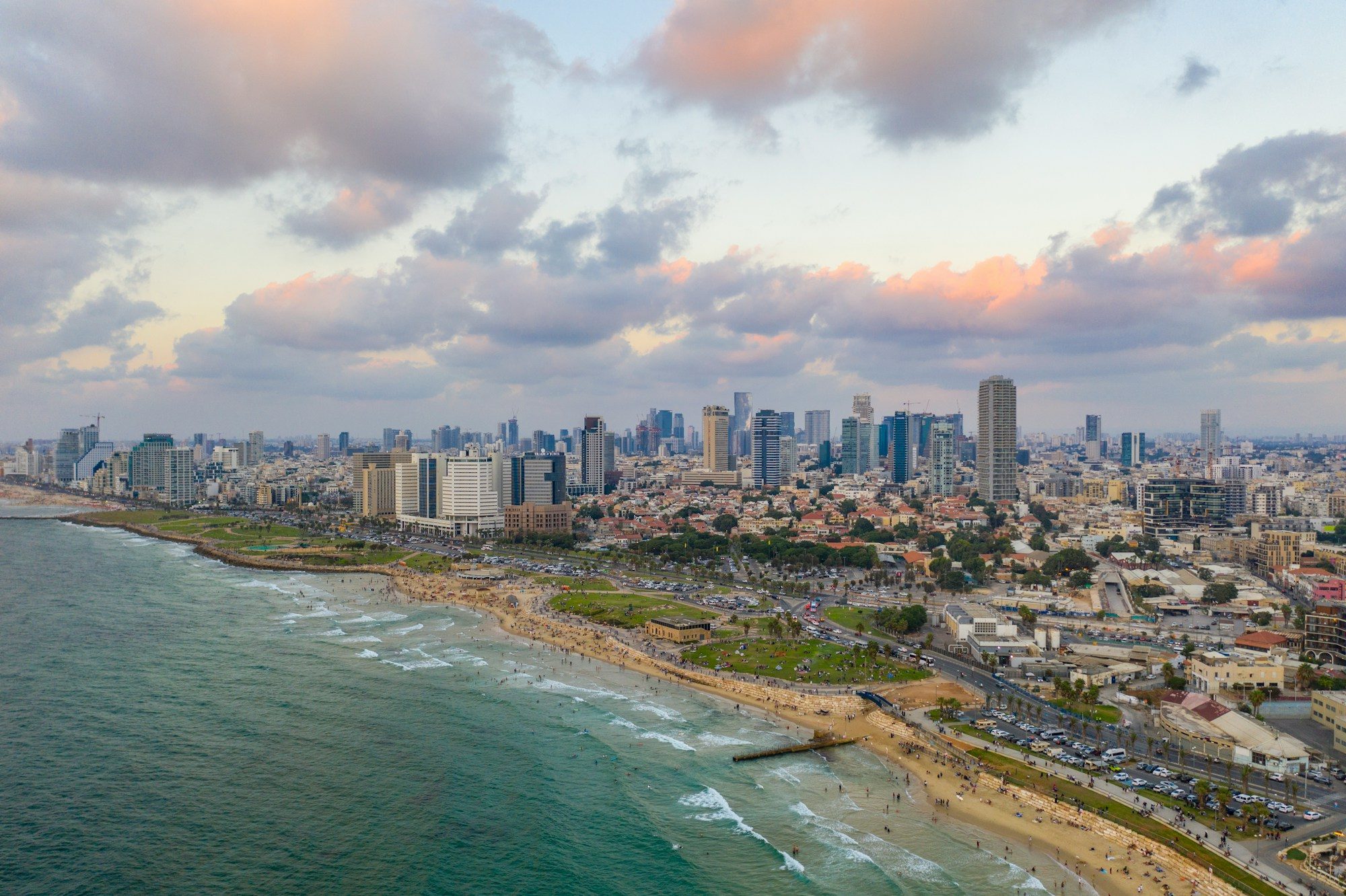
Tel Aviv hosts the largest Pride celebration in the Middle East. Not a small event. Not a Pride that apologizes. Over 250,000 people, a sustained week of parties and cultural events, the city’s entire infrastructure swallowing the celebration whole. The streets are visibly, proudly queer in a way that you don’t encounter in Cairo or Beirut or Amman or anywhere else in the region.
And yes — the political context is real. Israel is in active conflict. The occupation is ongoing. The moral complexity is genuine and deserves to be named.
But Tel Aviv itself is what it is: the queer-friendliest city in the Middle East, a place where same-sex couples hold hands on the beach without fear, where drag queens headline at mainstream clubs, where the default assumption is that queer life is unremarkable and celebrated. For LGBTQ+ travelers, especially those from conservative backgrounds or countries where queer life is criminalized, Tel Aviv is a specific kind of freedom.
This is how we plan it.
The Two Tel Avivs
White City Bauhaus Daytime — the architecture is Bauhaus and International Style (UNESCO-listed, roughly 4,000 buildings in the modernist style). The cafés run Rothschild Boulevard. The markets are Carmel Shuk. The pace is walkable and architectural and cool. The light is Mediterranean. This is the Tel Aviv of seeing the city.
Beach and Club Nighttime — Hilton Beach is the iconic gay beach, and Friday-afternoon energy collects there like nowhere else in the Mediterranean. The clubs run from Barbie Bar (the legendary queer institution) through the newer venues on Allenby Street. Dinner happens at 9 p.m.; the clubs open at 11 p.m.; the energy doesn’t peak until 1 a.m. The nightlife culture is genuinely excellent and genuinely queer-centered.
The rhythm of Tel Aviv — daytime city, nighttime scene — is the rhythm you anchor to. Most days are the Bauhaus walk. Some nights are the club. The weekends flex depending on what you want.
Where We’d Anchor
The Norman (Mendeli Street, Sarona) is the Bauhaus flagship — a 1924 Bauhaus mansion converted into a 13-room luxury boutique. Norman Metzer was a Tel Aviv pioneer; the building is one of the finest examples of International Style in the city. The restoration was meticulous. The ground-floor Norman Bistro is one of Tel Aviv’s serious fine-dining rooms. Stay here if the architectural history and Bauhaus aesthetic matter to you. The location puts you in the restaurant-and-gallery heart of the city.
Brown TLV (Florentin neighborhood) is the contemporary queer-creative option — the property where Tel Aviv’s artists and designers actually stay. The Florentin neighborhood is graffitied and young and lived-in, not polished. The hotel is bohemian-luxury, which means comfort without pretension. The bar is where the neighborhood actually gathers.
Setai Tel Aviv (Beachfront) is the resort-tier answer — the newest five-star property (opened 2024), beachfront positioning, contemporary design, the kind of insulation from street-level energy that some travelers want. The spa is serious. The restaurants are chef-led. But you’re slightly removed from the city’s actual texture.
All three have awareness to their queer clientele. None of them require you to code-switch or apologize for who you are.
Hilton Beach and the Social Ritual
Hilton Beach is where the gay community of Tel Aviv gathers. Not a segregated beach — it’s public, mixed, a working-city beach where families and elderly people also swim. But the southern section has become the visible queer section, and the Friday-afternoon energy is specific and joyful.
The ritual: arrive Friday afternoon (around 3 p.m.). The beach is warm. The water is Mediterranean. You’ll see couples holding hands, friend groups, the full spectrum of queer Tel Aviv. The vendors sell beers and sabich (eggplant sandwich) and ice cream directly from carts on the sand. No resort infrastructure. No cabanas. Just people, water, sand, and the city skyline behind.
Spend the late afternoon at the beach. Swim. Talk. Read. Watch the light change. Have a beer. This is what Tel Aviv looks like when it’s not performing for anyone.
After sunset, head to dinner (9 p.m. start time — earlier is not Israeli), then to the bars or clubs if the night is calling you. The beach-to-dinner-to-nightlife sequence is how the city actually moves.
The Bar Layer
Barbie Bar is the legendary queer institution — operating since the 1990s, the place where you encounter everyone. Small, dense with people, the music is excellent, the bartenders have seen every version of Tel Aviv queer life. This is where the continuity lives. This is not a tourist bar. This is the community bar.
Construction is the Friday-night queer party — the collective of DJs and organizers who create the primary weekend queer event. When and where shifts seasonally; the energy is reliably excellent. This is where you actually dance.
Allenby Street hosts the newer bar corridor — the design-forward, chef-led restaurants that turn into bars, the rooftop venues with city views, the contemporary Tel Aviv scene. Fun. Well-designed. Less institutional than Barbie but better-lit and easier to navigate as a visitor.
The Sabbath calendar matters in Tel Aviv in ways it doesn’t in other cities. Friday is the day before. Everything closes by 6 p.m. Restaurants don’t reopen until Saturday evening. The weekend rhythm is disrupted if you’re expecting standard American nightlife timing. Plan around it.
The Political Context (Being Honest)
Tel Aviv is a queer-friendly bubble inside a country with active conflict.
The location matters: Tel Aviv sits north of the Gaza Strip. The city hosts regular security briefings. Travel insurance with medical and evacuation coverage is essential. The State Department travel advisory should be your baseline reference — not for fear, but for accuracy.
Some travelers choose, while in Israel, to also visit the West Bank (Jerusalem, Ramallah, Bethlehem) and Gaza. That’s a separate decision from the Tel Aviv visit — a deeper engagement with the Israeli-Palestinian context that requires its own intention and planning. Dandy can facilitate that conversation, but it’s not a default assumption that you’ll make that choice.
Tel Aviv itself is safe for queer travelers. The queer-friendliness is genuine. The infrastructure supports it. But honesty about the broader context is part of how we plan the trip responsibly.
The Pride Season Specificity (Mid-June)
If you’re visiting during Tel Aviv Pride (mid-June, several weeks of events culminating in the parade), understand what you’re walking into:
The parade is massive — 250,000+ people, a visible infrastructure of queer culture, the city at peak celebration. The hotels are booked. The restaurants are packed. The prices are higher. The energy is electric.
But here’s the thing: You don’t have to do Pride to experience Tel Aviv’s queer culture. Year-round, the city is visibly queer in ways most cities aren’t. The beach is mixed and queer-friendly. The bars operate every week. The cultural integration is sustained.
Pride season is for experiencing the collective — the gathering, the visibility, the political statement all at once. Off-season is for experiencing the everyday — the casual integration, the assumption of queerness, the city moving through its queer-normal life.
Both are Tel Aviv. Both are worth experiencing. Choose based on whether the moment of collective celebration matters to you or the texture of everyday queer life does.
The Restaurant Layer
The chef-led restaurant scene in Tel Aviv is legitimate — Michelin stars, internationally recognized cuisines, the level of ambition you’d encounter in Paris or New York.
Michal Ba’ara is the contemporary-Mediterranean flagship — seasonal, precise, the dining room is small and serious.
Mezcla is the experimental kitchen — Middle Eastern, North African, Mediterranean fusion, the kind of creative work that happens when a chef has deep regional knowledge and wants to push it.
Lloya is the seafood institution — Mediterranean fish, the raw bar, the kind of ingredient-driven cooking that only happens when the ingredients are exceptional.
Dinner at 9 p.m., reservation required weeks in advance for the Michelin properties, the pacing is slow and serious. This is not American dinner. This is the Mediterranean rhythm — time, conversation, the meal as the evening’s primary event.
A Word on Jewish Identity and Queer Spaces
Miss Dandy has been watching something in the broader LGBTQ+ community that deserves to be named: since October 2023, antisemitism has surfaced in queer spaces in ways that have left Jewish queer travelers feeling unwelcome in communities that were supposed to be theirs. Pride events. LGBTQ+ organizations. Online community spaces. The pattern is real and the harm is real.
This is not the Dandy position, and Miss Dandy will not pretend otherwise.
Jewish identity and queer identity have never been mutually exclusive. They have, in fact, been deeply intertwined throughout modern queer history — from Magnus Hirschfeld, whose Institute for Sexual Science pioneered the first serious research on gender and sexuality in 1920s Berlin and whose library the Nazis burned, to the Jewish queer people who built and sustained the communities that exist now. The queer freedom that Tel Aviv embodies did not happen in a vacuum; it happened alongside, and in conversation with, a Jewish culture that has its own relationship to persecution, survival, and visibility.
Dandy welcomes Jewish travelers. Full stop. Queer travel that doesn’t extend that welcome to Jewish travelers — or that treats Jewish identity as a political problem rather than a human one — is not the queer travel Miss Dandy is building.
How Dandy Plans Tel Aviv
Tel Aviv Pride (mid-June) requires six to twelve months’ advance booking at quality properties — the city fills, the prices climb, the energy justifies every bit of the planning effort. If the collective moment is the point, start early.
Off-season Tel Aviv — October through May — is warm enough to swim, meaningfully quieter, and where the city’s everyday queer integration is most visible. The beach still gathers. The bars still run. The welcome is sustained rather than seasonal. If the texture of a genuinely queer city appeals more than the scale of the event, this is when to go.
Travel insurance with comprehensive medical and evacuation coverage is non-negotiable here, not a formality. Dandy ensures this is structured before any departure.
Tel Aviv works well as a focused five-to-seven-day city stay or as part of a broader arc — Amman and Petra, then Tel Aviv, for travelers engaging with the region’s complexity, or Tel Aviv and a West Bank day trip for those who want to encounter the fuller context with intention and preparation. Dandy can facilitate either conversation.
The city will welcome you. We’ll make sure you’re ready for it.
Ready to plan your Tel Aviv? Start a Custom Trip →︎
Be seen. Be celebrated. Be Dandy.
Inspired? Set sail with us.
Eight nights on the Atlantic, with your people.
The Crossing is our flagship voyage — a Dandy group on Queen Mary 2, New York to Southampton, a tableful of Darlings who dress for dinner and mean it.
The CrossingMore from The Society Pages
Three rooms in the house.
See The Voyages
Hosted group departures, curated for the community.
See The VoyagesStart a Custom Trip
Your itinerary, your pace, planned by someone who has done the vetting work.
Start a Custom TripJoin The Society
The monthly dispatch — one a month, no noise. Voyages go to members first.
Join The Society