
Destinations · The Society Pages
A Dandy's Berlin: The Queer Capital of Europe
Berlin's queer history is written into the streets. The 1920s cabarets. The Nazi erasure. The contemporary scene. This is the Dandy version.
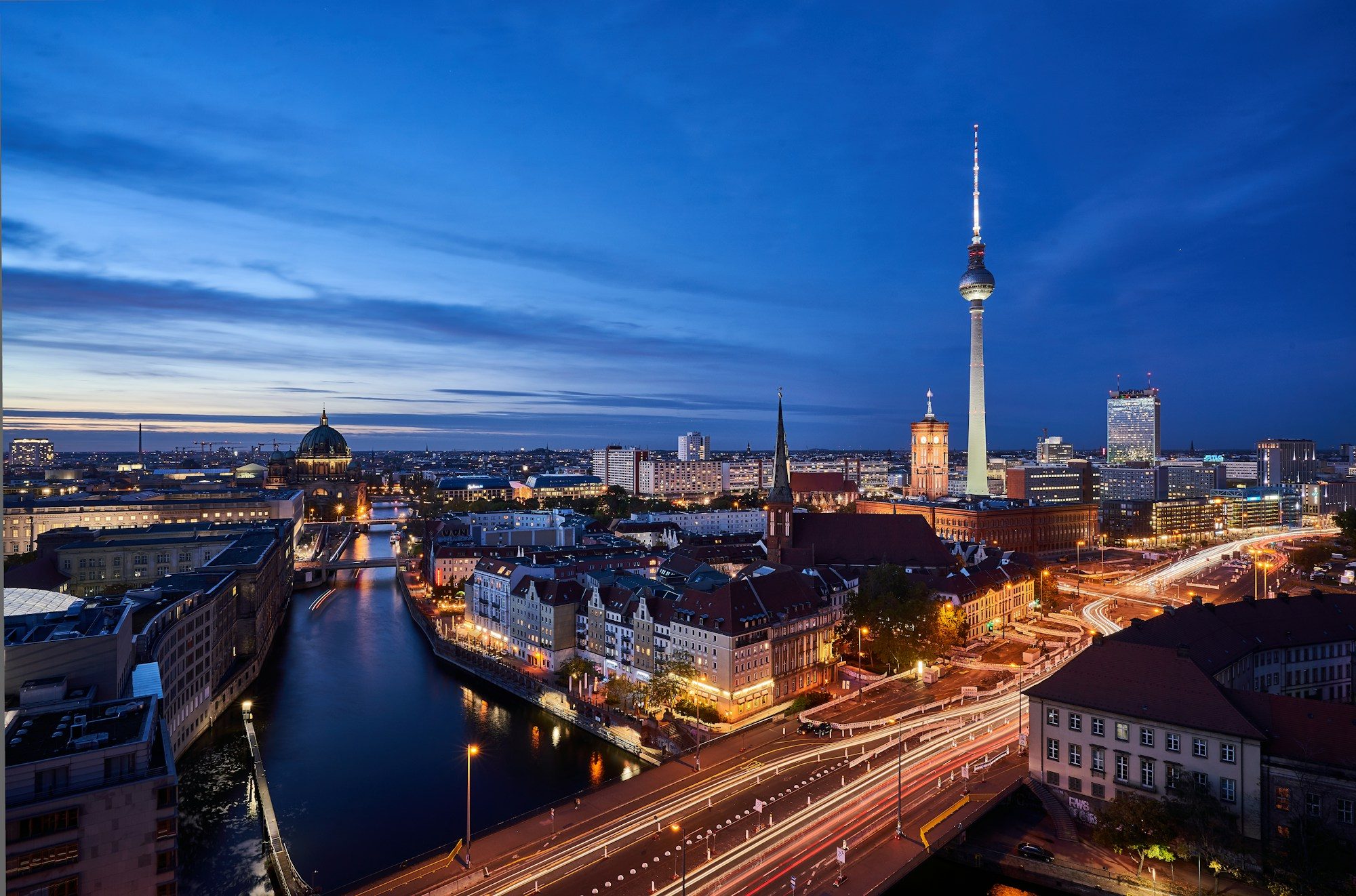
Hello, Darlings.
Berlin has been the queer capital of Europe since the 1920s. Not by accident. Not by contemporary branding. The city earned the title in the years before the Nazi regime tried to erase it entirely. Magnus Hirschfeld’s Institute for Sexual Science stood here, conducting the first serious research on gender and sexuality in the world. The Eldorado club hosted drag shows that Berlin’s working-class queer population filled night after night. Christopher Isherwood documented it. Truman Capote encountered it. The Schöneberg district was the blueprint for what a queer neighborhood could be — not a separate ghetto, but fully integrated into city life.
The Nazis destroyed that world. They burned Hirschfeld’s library. They closed the clubs. They murdered thousands. But Berlin — more than almost any city on earth — chose to remember what was destroyed rather than pretend it never happened.
The contemporary city is the inheritor of all of it: the Weimar glitter, the Nazi horror, and now, a deliberate commitment to being the place where queer history is not hidden but honored. This is the city where the queer story is still being written into the streets.
The Five Berlins (And Which One Matters)
Mitte is polished Berlin — the Brandenburg Gate, the museums, the Reichstag, the neoclassical facades. It’s the Berlin for history tourists and first-time visitors. Beautiful. Necessary. Not where the queer history lives.
Kreuzberg is the artist-and-queer hybrid. South of Mitte, grittier, the street art is legitimate, the bars are real, the neighborhood self-consciously resists commercialization. If you want to live in Berlin while visiting, Kreuzberg is where you anchor.
Schöneberg is the historic gay village — Nollendorfplatz, the surviving bars from the 1970s onward, the memorial to homosexuals persecuted under the Nazis embedded in Tiergarten nearby. This is where the continuity lives. This is where you understand what survived.
Friedrichshain is techno Berlin — the former East Berlin neighborhood that became the epicenter of Berlin’s electronic-music scene and contemporary queer club culture. Berghain. KitKatClub. The scene that runs until dawn. The future, not the past.
Neukölln is the emerging queer-creative neighborhood — where the next generation is moving as Kreuzberg and Schöneberg get expensive. Turkish immigrant community, Arab immigrant community, artists, the working-class Berlin that isn’t yet sold to tourists.
Where to anchor depends on what you actually want: history (Schöneberg), contemporary grit (Kreuzberg), club culture (Friedrichshain), or the neighborhood where Berlin is still becoming (Neukölln). Most first-time visitors anchor in Mitte or Kreuzberg. We tend to nudge you toward Schöneberg because the queer history is the point.
Where We’d Anchor
Hotel de Rome (Mitte, Behrenstrasse) is the luxury flagship — a 1889 Prussian bank building converted into a 146-room hotel, with a three-story neoclassical atrium that reads as historic from the moment you walk in. The rooftop pool has Reichstag views. The location is impeccable. But it’s Mitte energy — tourists everywhere, the city’s oldest money looking back at itself.
Soho House Berlin (Kreuzberg) is the contemporary call — 40 rooms in a converted industrial building, that member’s-club energy that actually works for hotel guests, the neighborhood is where Berlin’s creative class still lives. You’ll see the real city from your window. The bar is where people actually are on Friday night, not where they pose.
Michelberger Hotel (Friedrichshain) is the scene option — 60 rooms in a converted warehouse, the ground-floor restaurant-bar is the epicenter of Friedrichshain nightlife, the guest list reads like the contemporary Berlin art and music scene. Stay here if you want the clubs to be literally downstairs. The sound carries. Fair warning.
All three properties have depth to their queer history and contemporary queer awareness. None of them are performing Pride. They’re assuming it.
The Schöneberg Pilgrimage
Nollendorfplatz — this is the square that changed the course of queer history, and it looks like a Berlin U-Bahn station with cafés. Which, yes, it is. But the history underneath is what matters.
The Eldorado club was here — not a museum now, but there’s a plaque. The Institute for Sexual Science was blocks away. The bars that operated before the Nazis shut them down, and then the bars that reopened after 1945, are still operating on these streets. This is not a reconstructed heritage district. This is a living neighborhood where the queer community has maintained continuity for 100 years.
Walk Nollendorfplatz at golden hour. You’ll see older queer men and women — the generation that lived through the 1970s and 80s — sitting at the café tables. You’ll see young queer people moving through the neighborhood like it’s just the city they live in. You’ll see the brass plaques embedded in the sidewalk memorializing the people murdered in the Nazi camps — the queer ones, the Jewish ones, the political prisoners.
The Memorial to Homosexuals Persecuted Under Nazism is in Tiergarten (about a 15-minute walk from Nollendorfplatz). It’s an abstract structure — a concrete block that you walk into, and inside the walls are the etched names of the murdered. It’s quiet. It’s not trying to educate you. It’s trying to make you feel the weight of what was lost.
The Club Layer (When You’re Ready)
Berghain is the institutional techno club — the one that changed what Berlin club culture is, the door policy is genuinely strict (dress code matters, comportment matters, the door reads the room), and the energy inside is as serious as the reputation suggests. This isn’t a tourist club. This is where Berlin’s queer and straight club communities both go. If you’re planning to go, understand the culture: dress well (dark, cool, queer-of-center aesthetic), arrive after 1 a.m., respect the floor (no phones, no photos, the sound system is the point). The Saturday morning sunrise sets on the dancefloor are genuinely transformative.
KitKatClub is sex-positive and queer, adults-only, the dress code is more permissive (less clothing is fine), the energy is celebratory and explicitly sexual in a way that Berghain isn’t. This is the hedonistic-queer version. The Kitty pride parties (during Pride month) are legendary.
SchwuZ is Schöneberg’s neighborhood gay club — longest-running in the neighborhood, the most accessible version of Berlin club culture, the place where people actually have conversations at the bar instead of just dancing. This is the veteran’s club, where the history is the energy.
The door culture in Berlin is real. You’re not entitled to enter. The clubs are for the community, not for tourists performing queer identity. Come as yourself. Respect the space. Don’t photograph. The right energy opens doors.
The Pride Story (And Why It’s Political)
Christopher Street Day (Berlin’s Pride) is late July. It’s one of Europe’s largest Pride events — easily 500,000+ people. But it’s not Madrid’s WorldPride scale, and it’s not a corporate beach-party energy.
Berlin Pride is political. The Dyke March happens the day before and is a separate-from-the-parade statement about trans and lesbian visibility. The main parade includes the political contingents — activists, the organizations working on housing and healthcare and trans rights, not just brands with floats. The atmosphere is celebratory, yes, but it’s celebration grounded in labor and visibility and refusal to shrink.
If you’re in Berlin during Pride, understand that you’re in a Pride that remembers what was destroyed and is still fighting for what comes next. That changes the tenor.
The Memorial Layer (Pace Yourself)
Berlin’s queer history is also Berlin’s Holocaust history. The two can’t be separated.
The Memorial to the Murdered Jews of Europe (Mitte) covers a full city block — 2,711 concrete stelae at varying heights, the experience deliberately disorienting. This is where you confront the scale of what was lost.
The Stolpersteine (stumbling stones) are everywhere — small brass plaques embedded in sidewalks directly in front of the addresses where Jews and other persecuted people lived before deportation and murder. You’ll encounter them walking through daily neighborhoods. The names are there. The dates are there. The disruption of seeing the history under your feet is intentional.
The Sachsenhausen Memorial and Museum (30 km north, a train ride away) is a preserved Nazi concentration camp. This is not optional sightseeing. If you’re here to understand the queer and Jewish history of Berlin, Sachsenhausen is the essential heavy work.
The practice: don’t visit all three on the same day. Give yourself space between them. Sleep. Eat well. Process. The memorial work is serious, and Berlin requires you to be serious with it.
How Dandy Plans Berlin
Berlin rewards time. Four nights minimum to work through the neighborhoods, absorb the memorial layer, and experience the nightlife without sprinting. A week lets you live it.
Schöneberg is where we anchor first-time Dandy travelers — the history is legible, the queer infrastructure is obvious, the neighborhood rewards walking. Kreuzberg if you want the grit and the creative community. Friedrichshain if the clubs are the primary reason you’re going.
Christopher Street Day (late July) books solid at quality properties twelve to eighteen months ahead. If Pride is the point, treat it like a festival: commit early, build in a slow arrival day, understand that the city will be at maximum intensity and maximum joy. Worth it. Plan accordingly.
Fall and spring (April–May, September–October) are when Berlin shows you who it actually is — fewer tourists, the neighborhoods in their everyday rhythm, the memorial sites less crowded, the restaurant tables easier to hold.
Dandy builds Berlin as a standalone five-to-seven-day immersion or as part of a Central European arc: Berlin plus Prague, or Berlin plus Amsterdam, or Berlin as the queer-history anchor in a trip that travels both the present and the past. Tell us what you’re building and we’ll design around it.
Ready to plan your Berlin? Start a Custom Trip →︎
Be seen. Be celebrated. Be Dandy.
Inspired? Set sail with us.
Eight nights on the Atlantic, with your people.
The Crossing is our flagship voyage — a Dandy group on Queen Mary 2, New York to Southampton, a tableful of Darlings who dress for dinner and mean it.
The CrossingMore from The Society Pages
Three rooms in the house.
See The Voyages
Hosted group departures, curated for the community.
See The VoyagesStart a Custom Trip
Your itinerary, your pace, planned by someone who has done the vetting work.
Start a Custom TripJoin The Society
The monthly dispatch — one a month, no noise. Voyages go to members first.
Join The Society